Crypto Ledger wallet download provides hardware wallet owners with the companion software necessary to manage digital assets through a secure interface. The wallet application acts as the bridge between Ledger hardware devices and blockchain networks, enabling users to view balances, execute transactions, and install cryptocurrency apps while maintaining cold storage security principles. Without the official Crypto Ledger wallet app, hardware wallet functionality remains limited to basic device operations.
The software complements the hardware by handling all network communication, portfolio visualization, and transaction construction. Private keys stay protected inside the secure element chip of the physical device, while the wallet application manages the user experience layer. This page explains the download process, hardware verification requirements, and key differences between the Crypto Ledger wallet and standard software wallet solutions.
Downloading Crypto Ledger Wallet Software
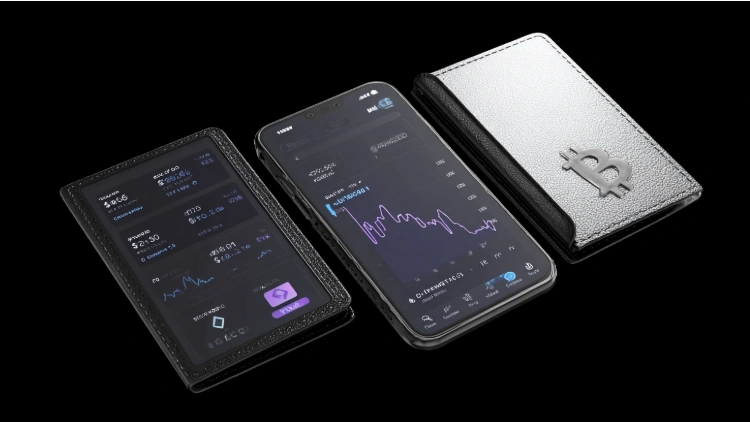
Crypto Ledger wallet download is available through the official Ledger website at ledger.com/ledger-live/download. The wallet software is distributed free of charge for Windows, macOS, Linux, iOS, and Android platforms. Each version undergoes cryptographic signing to ensure file integrity and authenticity. Users should verify that downloads originate exclusively from the official domain to avoid phishing attempts that distribute modified versions containing malware.
The Crypto Ledger wallet software requires a physical Ledger hardware device to unlock its full feature set. Unlike standalone software wallets that store private keys on the host device, the Crypto Ledger wallet app delegates all cryptographic operations to the connected hardware wallet. This architecture ensures that even if the computer or smartphone is compromised, attackers cannot access private keys or authorize transactions without physical possession of the hardware device and knowledge of the PIN code.
Why Crypto Ledger Requires Hardware Verification
Crypto Ledger hardware requirement exists because the wallet application is designed specifically for use with Ledger devices. The software performs a genuine check during initial setup that communicates with Ledger servers to verify the hardware wallet has not been tampered with or counterfeited. This verification confirms the secure element chip is authentic and the device firmware has not been modified by malicious actors.
The hardware verification process protects users from supply chain attacks where counterfeit devices might be sold through unauthorized channels. A genuine Ledger device generates private keys inside the secure element using a certified random number generator. The Crypto Ledger wallet app confirms this security foundation before allowing users to create accounts or manage assets.
What Makes Crypto Ledger Wallet App Different from Software Wallets
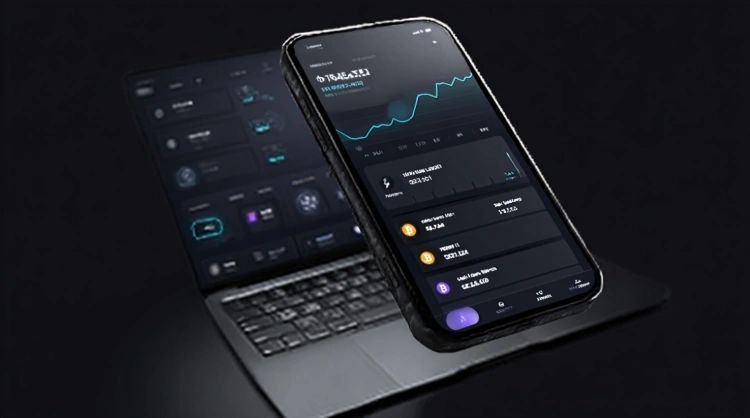
Crypto Ledger wallet app operates fundamentally differently from software wallets such as MetaMask, Trust Wallet, or Exodus. Software wallets store encrypted private keys on the host device, which creates vulnerability to malware, keyloggers, and remote access attacks. The Crypto Ledger wallet app stores no private keys whatsoever. Instead, it sends unsigned transaction data to the connected hardware wallet, which signs the transaction internally and returns only the signature.
This separation of concerns provides several security advantages that distinguish the Crypto Ledger wallet from alternatives:
- Private keys never exist on computers, phones, or any internet-connected device, eliminating remote theft vectors entirely.
- Transaction signing requires physical confirmation on the hardware wallet screen, preventing unauthorized transactions even if the wallet app is compromised.
- The secure element chip inside Ledger devices is certified to CC EAL5+ standards, the same security level used in banking cards and passports.
- Recovery phrase generation occurs entirely on the hardware device screen, preventing screen-capture malware from recording the seed words.
- Multiple hardware wallets can connect to the same wallet app installation, enabling portfolio management across devices.
Cold Storage Integration Through the Wallet Interface
Crypto Ledger wallet app maintains cold storage principles while providing a modern portfolio management experience. Cold storage refers to keeping private keys offline and disconnected from the internet. The hardware wallet remains offline until connected for transaction signing, at which point the Crypto Ledger wallet app facilitates communication without exposing the keys.
The wallet interface displays real-time balances by querying blockchain nodes through Ledger infrastructure. This read-only synchronization does not require the hardware wallet to be connected. Users can check portfolio values, review compatible devices and transaction flows, and monitor market prices without unlocking their devices. Active signing operations, such as sending crypto or interacting with decentralized applications, require the hardware wallet to be connected and unlocked with the PIN code.
Official Sources for Crypto Ledger Wallet Download
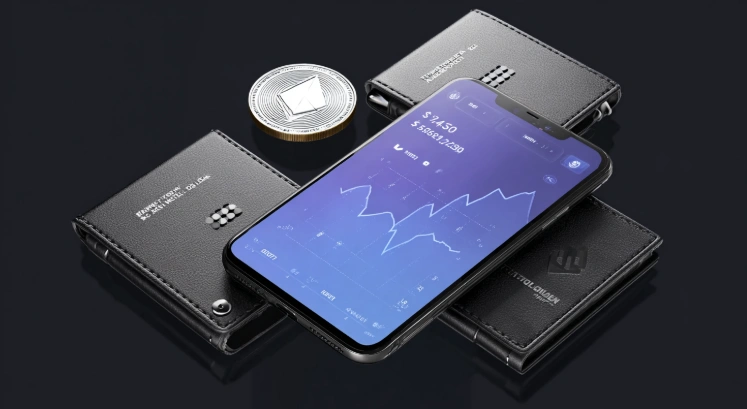
Crypto Ledger wallet download must originate from verified official sources to ensure software authenticity. The following table identifies legitimate download locations and warning signs of fraudulent alternatives:
| Platform | Official Source | Publisher Verification | Warning Signs |
|---|---|---|---|
| Windows | ledger.com/ledger-live/download | Ledger SAS in installer certificate | Download from any other domain |
| macOS | ledger.com/ledger-live/download | Apple notarization for Ledger SAS | Requests to disable Gatekeeper |
| Linux | ledger.com/ledger-live/download | SHA-256 hash on GitHub releases | Third-party package repositories |
| iOS | Apple App Store | Publisher: Ledger SAS | Sideloaded IPA files |
| Android | Google Play Store | Publisher: Ledger SAS | APK downloads from websites |
Users who want additional verification can compare the SHA-256 hash of downloaded files against checksums published on the official Ledger GitHub repository. This process confirms the file has not been altered during download or by man-in-the-middle attacks.
Complete Wallet Download and Installation Process
Crypto Ledger wallet software installation follows a consistent process across platforms. The numbered steps below provide the complete workflow from download to first launch:
- Open a web browser and navigate directly to ledger.com by typing the URL manually. Avoid clicking links from emails, advertisements, or search results.
- Select Ledger Live from the Products menu and click the Download button. The website automatically detects the operating system and presents the appropriate installer.
- Save the installer file to a known location. File sizes range from 150 MB to 200 MB depending on the platform.
- Verify the file integrity by comparing the SHA-256 hash with the published value on GitHub (optional but recommended for security-conscious users).
- Run the installer and follow platform-specific prompts. Windows users may need to approve a SmartScreen warning. macOS users should drag the application to the Applications folder.
- Launch the Crypto Ledger wallet app and accept the terms of service. The application will check for updates and download the latest version if available.
- Connect the Ledger hardware wallet via USB-C cable or Bluetooth (for compatible models). The app will detect the device and begin the setup process.
- Complete the genuine check to verify device authenticity. This step requires an internet connection and takes approximately 30 seconds.
For detailed setup instructions after installation, see the Crypto Ledger Wallet Initialization guide. For device compatibility information, visit our Crypto Ledger Compatible Devices page.
Frequently Asked Questions
Is Crypto Ledger wallet download free?
Yes. The Crypto Ledger wallet app is free to download and use on all platforms. There are no subscription fees or premium tiers. Transaction fees when sending cryptocurrency are paid to the blockchain network, not to Ledger.
Can I use Crypto Ledger wallet without a hardware device?
The wallet application requires a Ledger hardware wallet for all transactional features. Without a connected device, users can browse the interface, view supported assets, and access educational content, but cannot manage crypto or execute transactions.
What is the difference between Crypto Ledger wallet and Ledger Live?
Crypto Ledger wallet and Ledger Live refer to the same application. Ledger Live is the official product name. The terms are used interchangeably to describe the companion software for Ledger hardware wallets.
Does Crypto Ledger wallet support cryptocurrencies other than Bitcoin?
The wallet supports over 5,500 cryptocurrencies and tokens, including Ethereum, Solana, Cardano, Polkadot, and thousands of ERC-20 and other token standards. New assets are added through regular software updates.
How often should I update the Crypto Ledger wallet app?
Updates should be installed promptly when available. Ledger releases new versions every two to four weeks, including security patches, new asset support, and feature improvements. The application notifies users of available updates at launch.
Can malware on my computer steal crypto through the Crypto Ledger wallet?
Malware cannot extract private keys because they exist only inside the hardware wallet secure element. Attackers would need physical possession of the hardware device plus knowledge of the PIN code to authorize transactions. The wallet app constructs transactions but cannot sign them independently.
Does Crypto Ledger wallet work with Trezor or other hardware wallets?
No. The Crypto Ledger wallet app is designed exclusively for Ledger hardware wallets including the Nano S Plus, Nano X, Stax, and Flex models. Trezor users should use Trezor Suite, and KeepKey users should use the ShapeShift platform.